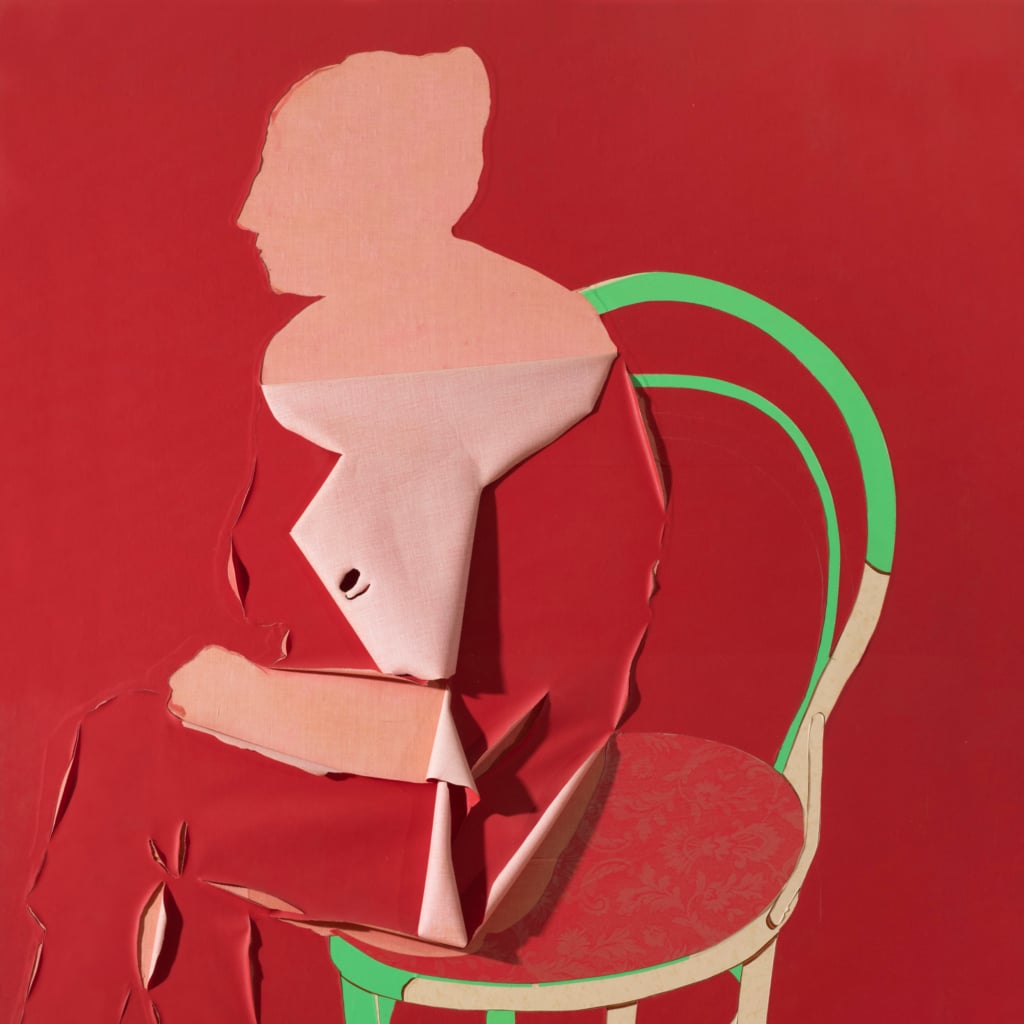
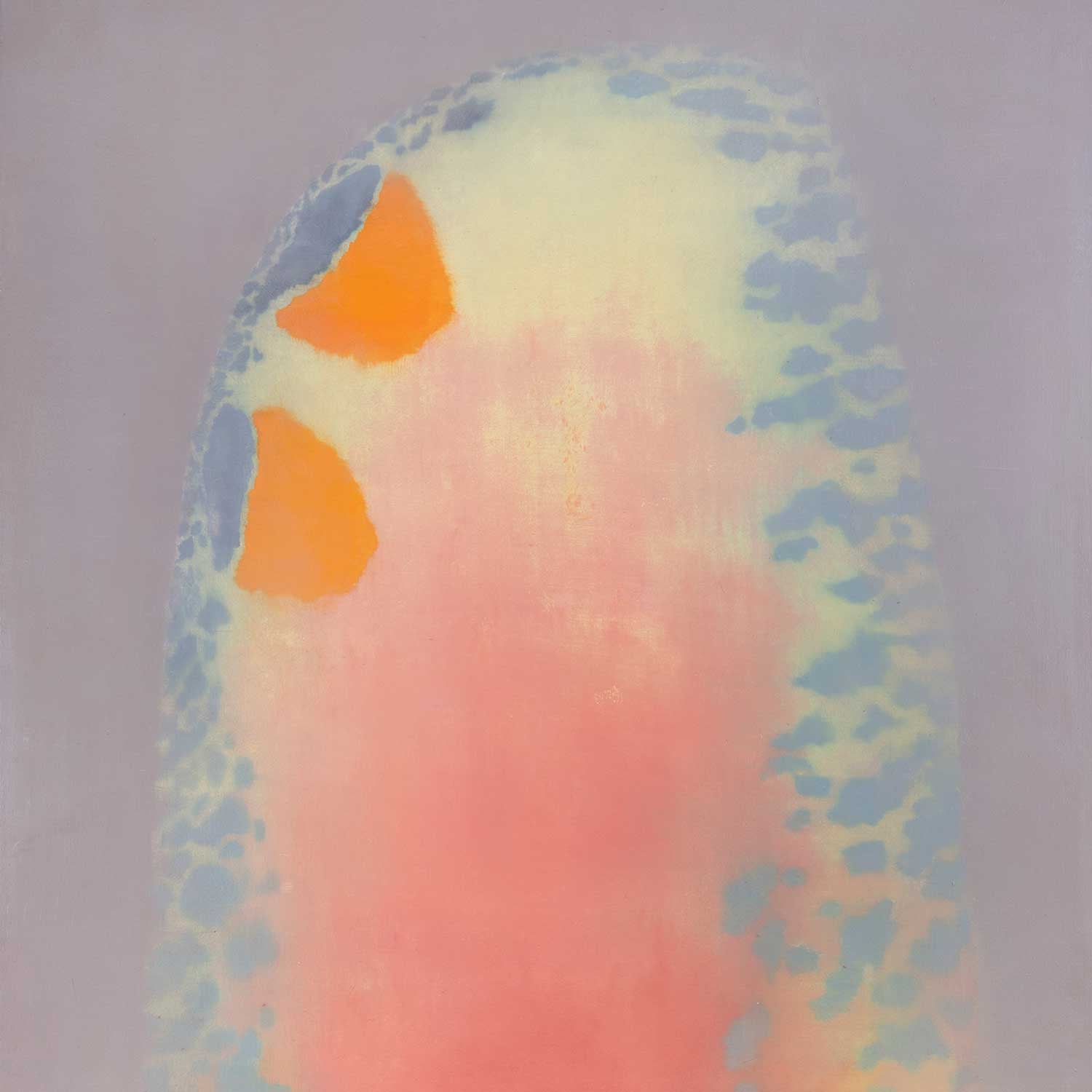
The sculptor Květa Kovářová (1925–1966) was part of a generation who began their studies during the war, entering the art world under oppressive conditions. She graduated from Josef Wagner’s studio, which produced a notably large number of female sculptors. While many of her fellow students went on to achieve significant success, Kovářová did not receive a comparable level of attention, despite her ties to the contemporary art scene and the new opportunities for group exhibitions – her husband, the painter Ladislav Karoušek, and her brother-in-law, the sculptor Valerian Karoušek, were both co-founders and members of the M 57 (Makarská) art group.
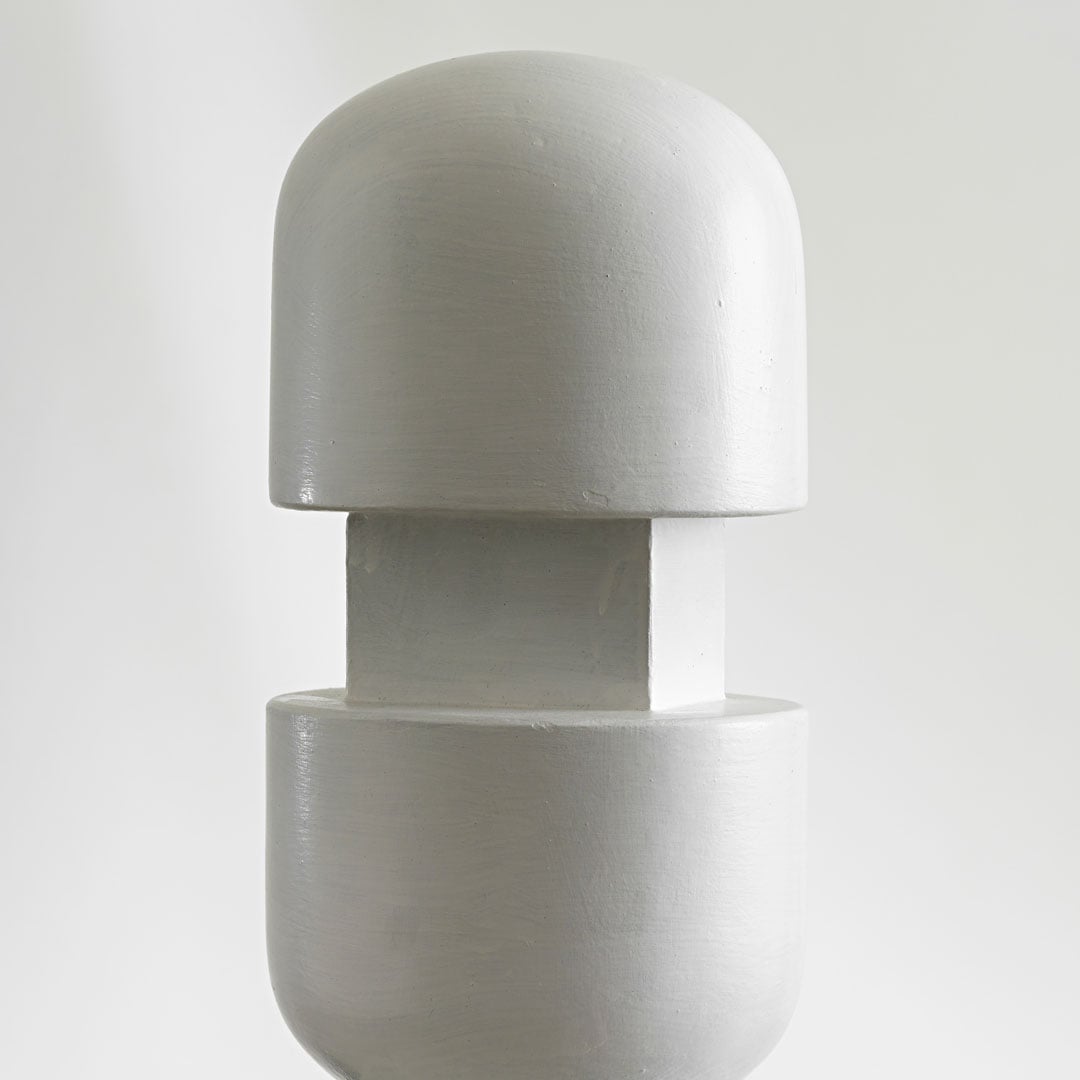
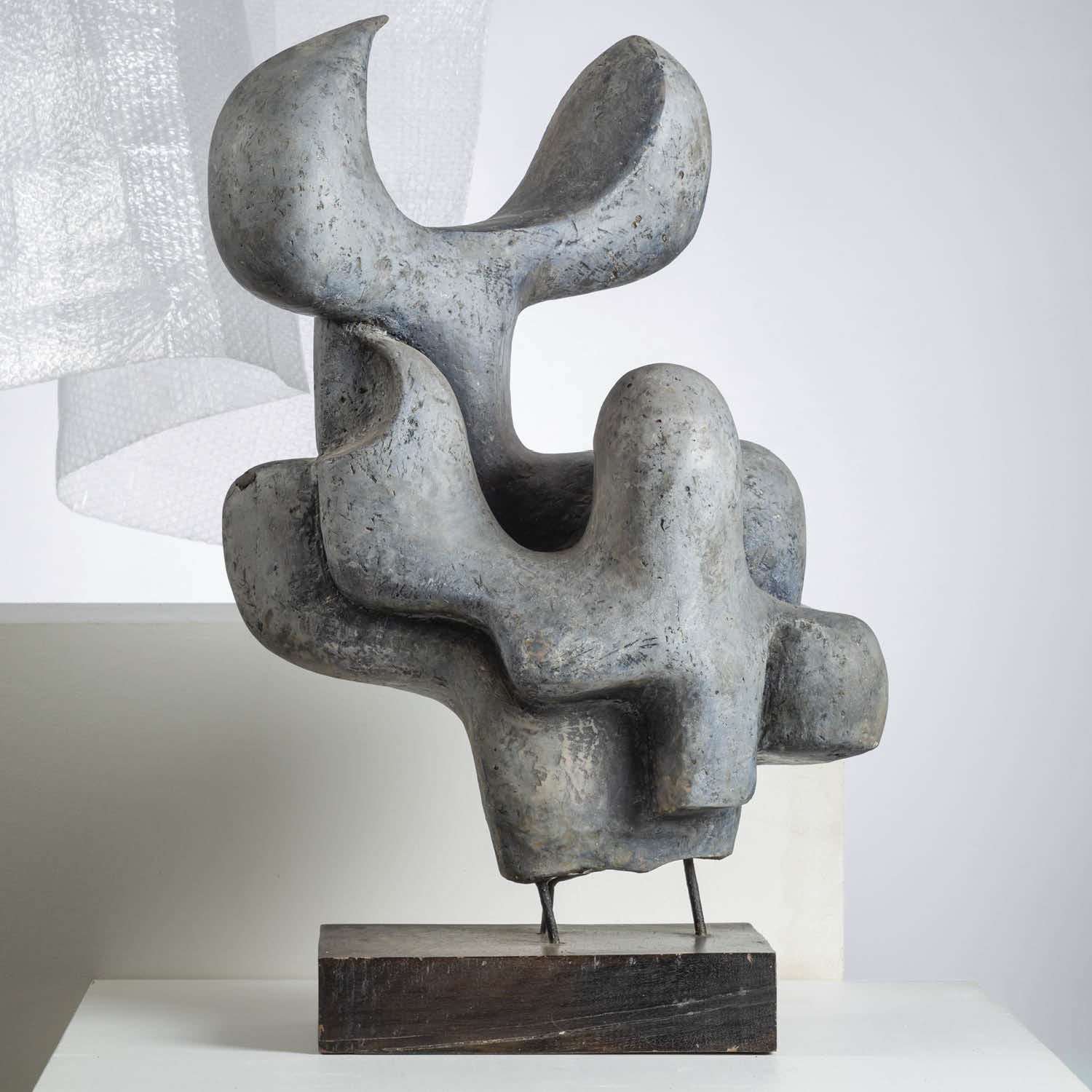
The exhibition For the Shape of the Figure traces the evolution of Kovářová’s artistic practice, from her early studies to her intimate figurative sculptures of the 1950s and on to her abstract forms and architectural commissions of the 1960s. She always accompanied her sculptural works with preparatory drawings, using these to test the form and compositional solution, as well as how the sculpture would stand in space. Kovářová primarily worked with plaster, but was not afraid to experiment with new synthetic materials such as Modurit and fibreglass, which enabled her to work on a monumental scale. Thus, she created her most significant surviving architectural work, the Seated Nudes of Girls (1961–1962), an almost five-metre-long laminate relief, for the boardroom of the foreign trade company Jablonex in Jablonec nad Nisou.
Although she could only devote herself to sculpture alongside her work in applied arts and restoration, she produced a substantial body of independent works and artistic concepts. Kovářová focused on the human figure, predominantly depicting it in everyday situations. She swiftly moved beyond the initial conventions of Socialist Realism, drawing on modern sculptural trends to explore post-war approaches to the human form. Throughout the 1960s, she gradually pushed the boundaries of the human form until it became an abstract symbol.
In 1966, however, her creative surge came to a premature end. She died tragically whilst working on her largest sculpture for a public space – an outdoor sculpture for the new hospital in Veľký Krtíš, Slovakia. Unfortunately, Kovářová did not live to see a solo exhibition of her work.
Sixty years after Květa Kovářová’s death, Museum Kampa is presenting her work and life story in an exhibition which sheds light on the broader theme of ‘forgotten’ female artists of the second half of the twentieth century, whose work has not yet been properly documented or presented. Accompanying the exhibition is the first publication dedicated to this sculptor. It contextualises her work within post-war Czechoslovak sculpture and outlines the conditions under which a female sculptor could devote herself fully to her art and earn a living from it.
Curator: Eliška Nováková
Production: Rozalie Pánková
Graphic Design: Jožka Gabriel
Photography: Anna Pleslová
Exhibition Design: Viktorie Pánková

Květa Kovářová – For the Shape of the Figure
Opens in 32 days